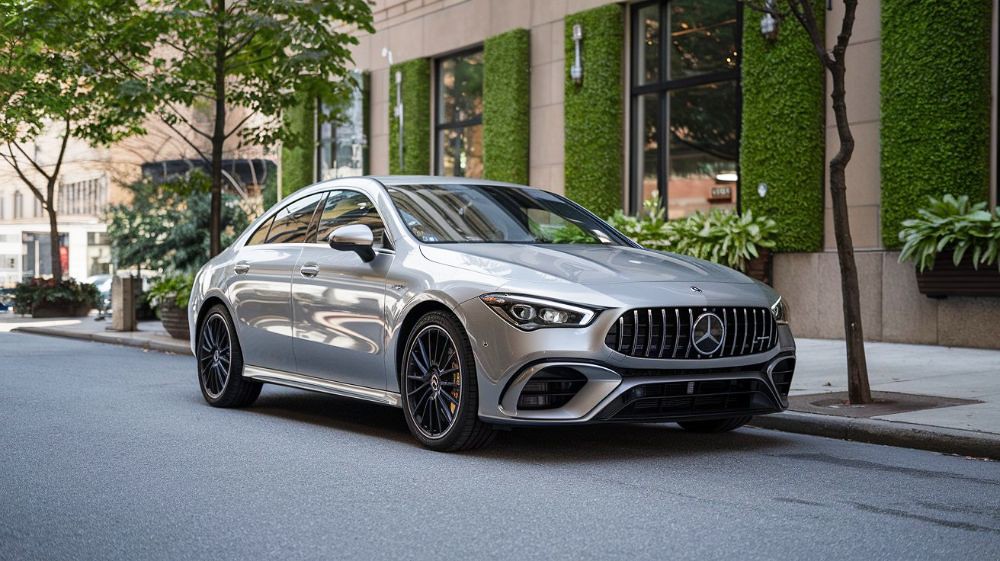
Mercedes-Benz vehicles and Genuine Parts are designed and manufactured to meet production-engineered specifications while maximizing the safety of all occupants in a collision. If a collision repair is necessary, the carmaker strongly recommends that all repairs be performed by a certified technician using only Genuine Mercedes-Benz Parts, mechanical components, and electrical components, as well as safety devices such as airbags and seat belts.
What Mercedes-Benz is Saying about Aftermarket Parts
Mercedes-Benz disapproves of the use of aftermarket or third-party replacement parts. Here is what a position paper states about aftermarket, salvaged, and recycled parts.
Mercedes-Benz vehicles are thoroughly tested and certified as complete assemblies. Each part plays a role in the vehicle’s overall operation and is optimized for fit, function, safety, and structural integrity. Aftermarket parts are not subject to the exact requirements of the vehicle’s operation or function and may not be manufactured to the same standards or design.
This could compromise the vehicle’s overall safety should a future collision occur. In particular, aftermarket parts such as fenders, hoods, bumpers, and doors may not provide proper operation or function of vehicle crumple zones, or supplemental restraint sensors (SRS/airbag sensors), or meet federal motor vehicle safety standards for vehicle collisions. Aftermarket parts are not covered under any Mercedes-Benz warranty, and their use may cause other related components to be excluded from warranty coverage should a failure occur. Genuine Mercedes-Benz replacement parts and accessories installed by certified technicians help preserve the performance and integrity of your vehicle. In addition, keeping it genuine with Genuine Mercedes-Benz Parts will help maintain your vehicle’s residual value.”
The Mercedes-Benz Position on Using Salvaged/Recycled Components is Clear
Mercedes-Benz disapproves of the use of components removed from a vehicle that was damaged, burned, flooded, scrapped, or involved in a previous collision. Salvaged or recycled parts may have been subjected to crash-impact loads, exposure to outside weather, excessive wear, high temperatures, or extreme forces during removal from the donor vehicle. Mercedes-Benz cannot guarantee the safety, quality, compatibility, or durability of recycled parts, as there are no standards in place for testing these components. In addition, salvaged components are not traceable should a recall occur in the future.
Mercedes-Benz Suggests Replacing All Fasteners and Using Only Approved Adhesives
Fasteners: Mercedes-Benz advises replacing all associated fasteners during a collision repair. Fasteners that have been worn, broken, or deformed during a collision must be replaced with Genuine Mercedes-Benz replacement parts. Each structural collision repair is developed and tested using Genuine Mercedes-Benz replacement parts, including rivets, screws, bolts, and other fasteners. The integrity of the complete repair cannot be guaranteed when using aftermarket, damaged, or broken fasteners.
Adhesives: Mercedes-Benz allows only adhesives specified in officially published repair documents (the WIS). Many technological advances have been made in structural adhesives for use in Mercedes-Benz vehicles. The use of adhesives in automotive repair is specific to each vehicle and repair location; these repairs have been thoroughly tested using the components, products, and procedures specified in the WIS. The use of other adhesive products that have not been designed for the repair may compromise the safety and durability of the entire vehicle.”
Why Does This Matter to You?
By using only Genuine Mercedes-Benz replacement parts in all of its collision repair work, a Mercedes owner will always be able to cruise safely and comfortably.